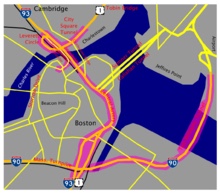
The Big Dig was the most expensive highway project in the US, and was plagued by cost overruns, delays, leaks, design flaws, charges of poor execution and use of substandard materials, criminal arrests, and one death. The construction of the project commenced in 1991 and was originally scheduled to be completed in 1998 at an estimated cost of $2.8 billion (in 1982 dollars, (US$6.0 billion adjusted for inflation as of 2006). However, the project was completed in December 2007 at a cost of over $14.6 billion (overrun of about 190%).
It reduced traffic and improved mobility in one of America’s oldest, most congested major cities. The project replaced Boston’s deteriorating six-lane elevated Central Artery (I-93). It did so with an underground highway that is state of the art and two new bridges over the Charles River. It also extended I-90 to Boston’s Logan International Airport.
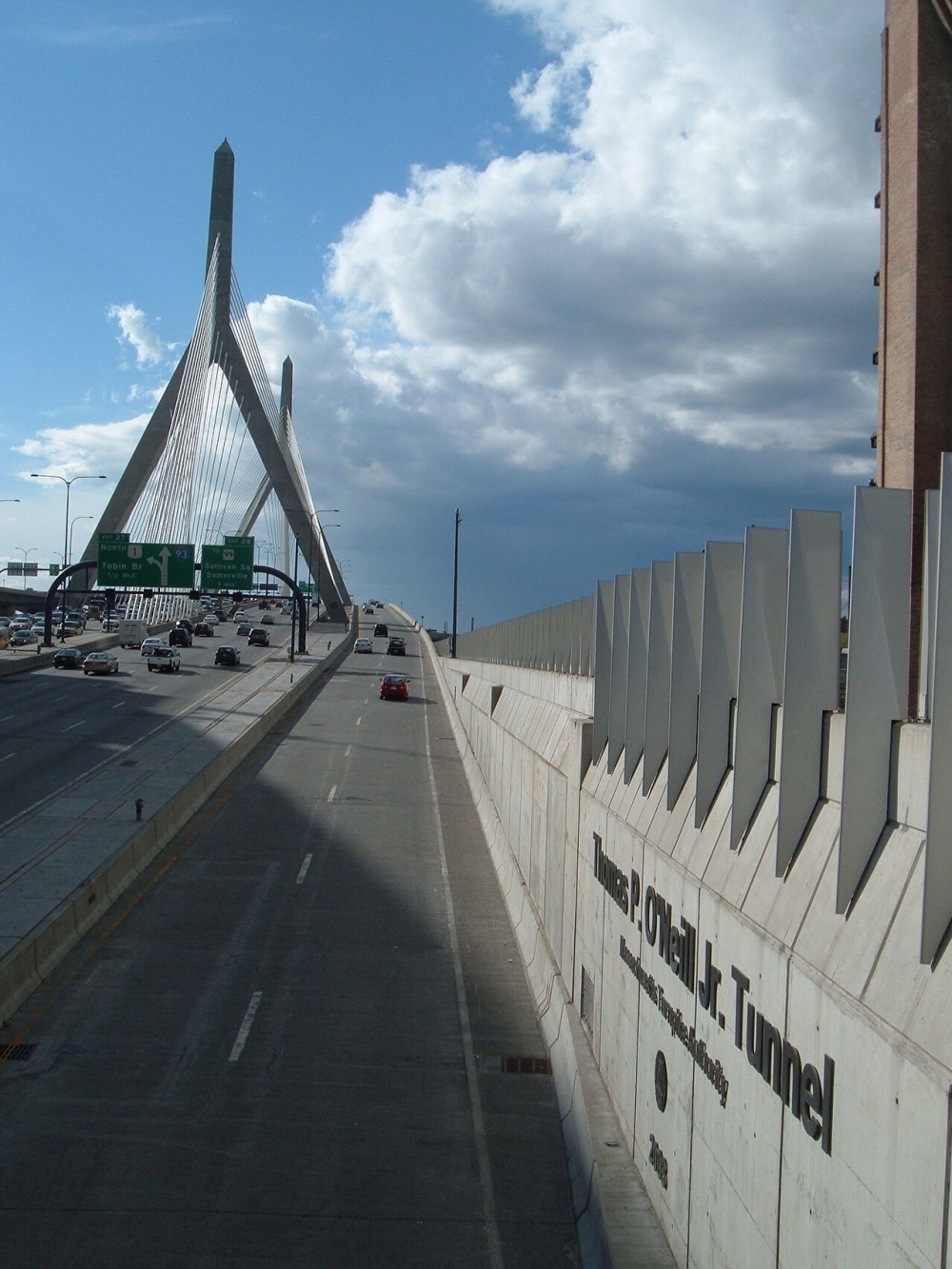
The Leonard P. Zakim Bunker Hill Bridge is one of its kind ever built. In addition to being the widest cable-stayed bridge in the world, the bridge is the first “hybrid” cable-stayed bridge in the United States, using both steel and concrete in its frame. The main span consists of a steel box girder and steel floor beams, while the back spans contain post-tensioned concrete.
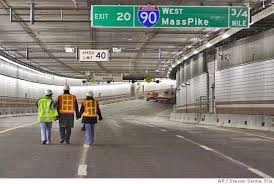
The highway travels through the heart of the city, into the 2.4 km Thomas P. O’Neill Jr. Tunnel. The Ted Williams Tunnel also forms part of the project and is the third in the city to travel under Boston Harbor, with the Sumner Tunnel and the Callahan Tunnel.

 East Coast of America Science Tour